For many women, the hair is an expression of self-esteem, beauty, and identity. Meaning, when there is hair thinning or baldness, there is usually deep emotional hurt, which can even impact one’s social life. While the hair loss problem is an extensively accepted term related to men, there are types of alopecia that women also suffer from. Thanks to advances in the field of hair restoration therapies, including Female Hair Transplant, many women have been given hope to regain not just their hair but also their confidence. Yet, one of the very common and crucial questions remains—how safe is hair restoration for women? Let’s find out in detail.
The Understanding of Hair Loss in Women
In contrast to receding hairlines or bald patches typical of men, women tend to have diffuse thinning over the surface of the scalp. The causes of hair loss among women are many and varied and may include:
- Hormonal imbalances (e.g., PCOS, menopause)
- Nutritional deficiencies
- Thyroid disorders
- Stress and lifestyle changes
- Genetics
- Autoimmune conditions such as alopecia areata
Because the patterns and causes are more complex, expert diagnosis is crucial before any restoration treatment options are considered.
What Is Female Hair Transplantation?
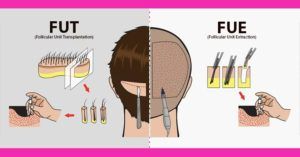
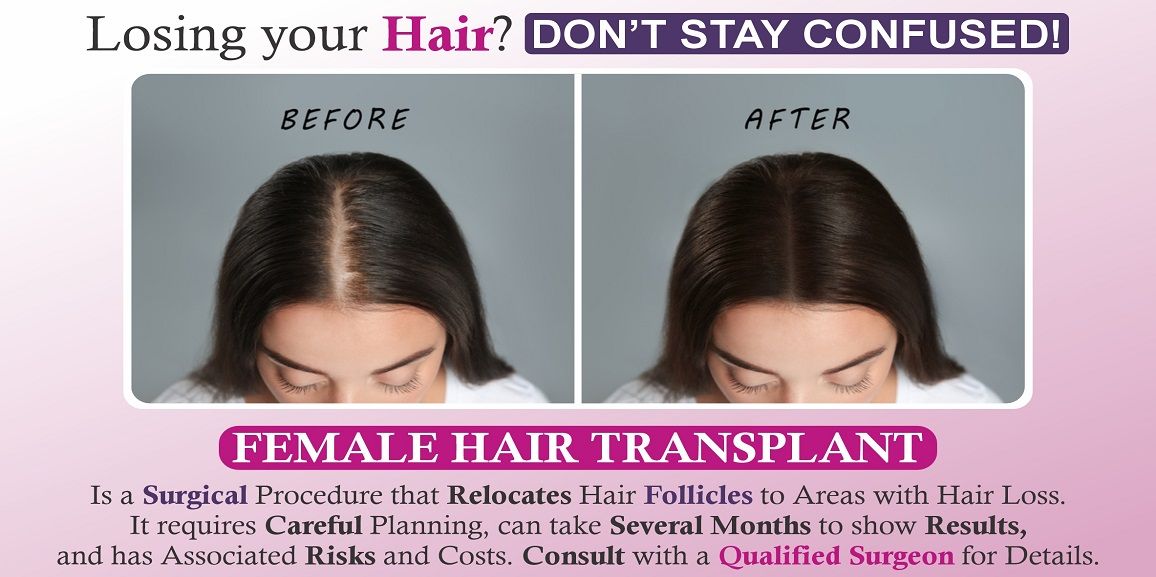
Hair transplant is the surgical transfer of healthy hair follicles from a donor area, usually from the back or sides of the head, to areas that are thinning or balding. The two most popular methods are:
- FUE (Follicular Unit Extraction): Is the removal of individual follicles for implantation in the recipient area.
- FUT (Follicular Unit Transplantation): Involves cutting out a strip of scalp and dissecting it into grafts for transplant.
The choice of procedure may depend upon the hair loss and density of the donor area, or be based on personal choice.
Is It Safe?
In general, when treatment is done by someone equipped with knowledge and experience on the subject, hair restoration would be a safe option for women. However, certain key aspects are considered in deciding if the treatment is truly safe:
- Accurate Diagnosis
Before anything, try to establish the cause of hair loss. A competent clinic will be able to evaluate the blood, the scalp condition, and any history of illness. Some types of hair loss, such as telogen effluvium or traction alopecia, may simply not be suited for transplantation.
- Candidate Selection
Not every woman is a suitable candidate for a Female Hair Transplant. Ideal candidates typically have:
- Localised hair loss or thinning
- A stable donor area with healthy hair
- Realistic expectations from the procedure
Women with diffuse unpatterned alopecia may not benefit as much from the transplant.
- Surgeon’s Expertise
The next determinant in safety is always the surgeon. If an experienced hair transplant surgeon with valid credentials is to assess the differences in female scalp anatomy and thus adapt accordingly, it would minimise complications.
- Modern Techniques
Modern tools and minimally invasive techniques nowadays, such as FUE, exercise maximum safety by minimising pain, scarring, and recovery.
- Post-operative Care
Care after any procedure is imperative to avert infections, shock loss, or scarring. Clinics that maintain a full follow-up charter ensure a more rapid healing process and long-term results.
What About Some Side Effects?
A Female Hair Transplant, like any other medical procedure, might have its side effects, most of which, however, are minor and transitory. They may include:
- Slight swelling
- Itching or redness
- Temporary shock loss (hair shedding in the transplanted area)
- Minimal scarring (with FUT, very low scarring)
These side effects resolve within days to weeks. Serious complications are exceptionally rare if performed in a bona fide clinic.
Psychological and Emotional Benefits
These go far beyond mere physical restoration and encompass the many benefits of hair transplant for women, which include:
- Improved self-esteem
- Less anxiety about and less stress caused by one’s fading appearance
- Socially and professionally, it has contributed positively.
For many, hair restoration is much more than a cosmetic fix; it is a life-altering metamorphosis.
How Much Does It Cost?
The Hair Transplant Cost in India varies based on a multitude of factors, including:
- The number of grafts required
- Choice of technique (FUE or FUT)
- The clinic’s reputation
- The surgeon’s reputation
The average range of Hair Transplant Cost in India is between ₹30,000 to ₹1,00,000 or more. So, while taking cost into consideration, it must never compromise the safety and quality of treatment. The expertise and hygiene standards are to be prioritised above cheap costs.
Why Medispa?
Medispa Hair Transplant Clinic understands the special pain points of women and is here to heal with its dexterous blend of technical prowess and artistic vision, under the supervision of Dr. Suneet Soni, an internationally renowned hair transplant surgeon.
Our clinic works under strict hygienic protocols and utilises the latest technologies for maximum patient comfort and safety. We pledge to offer our comprehensive support throughout your hair restoration journey, from diagnosis to post-operative care.
Final Thoughts
Hair restoration is completely safe for women. A Female Hair Transplant can give long-lasting, natural, and gratifying results when an appropriate diagnosis takes place, a well-versed surgeon performs it, and a commendable clinic is involved. Indeed, the psychological pick-me-up and boost of self-confidence provided would make for an easily worthwhile investment.
Contact the Medispa team to safely and conveniently take the first steps toward a confident new you.