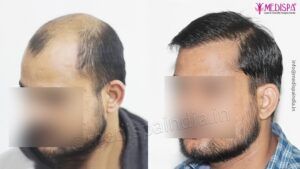
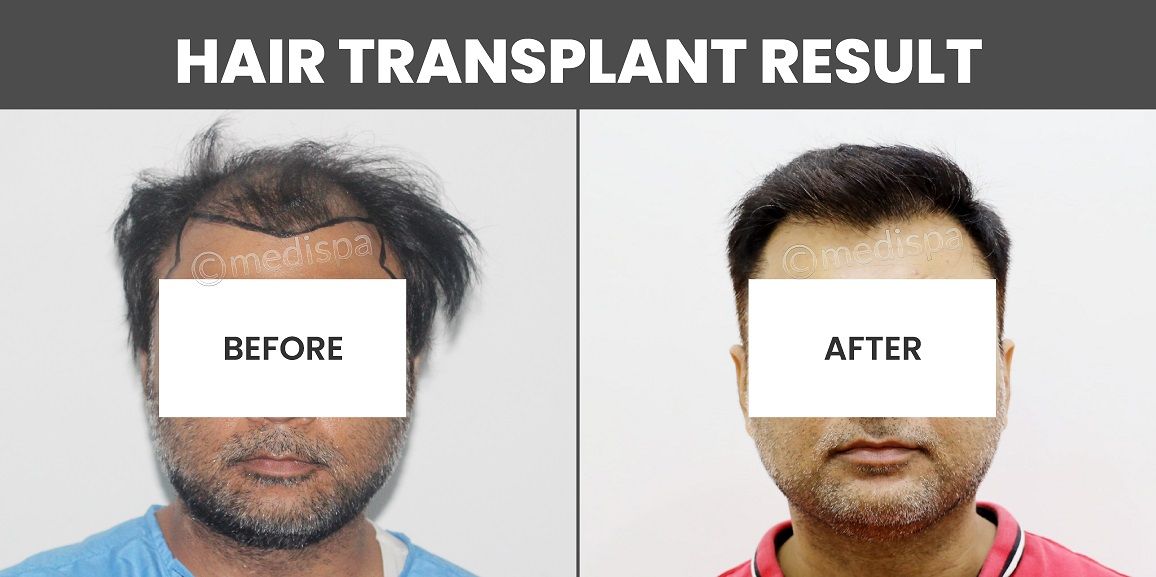
Hair restoration is among the most reputable solutions that help people deal with baldness or hair thinning. With the newest technologies and highly skilled surgeons, one can regain not only lost hair but also lost self-confidence. Although several people today are interested in acquiring a Hair Transplant in India, there remains a concern about factors that work toward surgery-related results.
So what does “ideal results” mean? This involves the natural way of creating the hairline, long-lasting growth, minimal scarring, and satisfaction with the transformation itself. The path to achieving this is not smooth and needs careful planning, selecting the right clinic, and a proper aftercare regimen.
Let us now look at how you can make sure that your hair restoration truly deserves the money spent.
Step 1: Program Selection of the Surgeon and Clinic
Well, the very first point of a successful transplant is who does it. India represents an international hub for cosmetic surgery, wherein patients from all over the world come for high-end treatments. However, not all clinics uphold the same kind of quality.
When searching for a Hair Transplant in India, research on the qualifications, work experience, and testimonials from patients of a surgeon. An expert surgeon is, apart from technical skill, an artist capable of designing a natural-looking hairline.
Step 2: Be Knowledgeable About All Techniques Available
Hair restoration is not meant for everyone. The best method will depend on the amount of hair loss, a physician’s recommendations for donor hair, and specific long-term goals.
- FUE(Follicular Unit Extraction): The process entails extracting a single follicle for implantation. It is a minimally invasive process that leaves little scarring, which fades quite shortly after the procedure, and has a fast healing process.
- FUT(Follicular Unit Transplantation): A strip of scalp is removed and then carefully dissected into follicular units. This method is usually preferred when a very high number of grafts is wanted for coverage.
Consult your surgeon about both techniques so that one is selected that meets your needs more.
Step 3: Have Realistic Expectations
Some of the worst mistakes that patients make are expecting a teenage-like density of hair to be evident right after the procedure. Although an advanced hair transplant should bring forth the desired results, depending on factors such as quality of donor hair, physiological aging, and medical health, the degree of results will vary from individual to individual.
So, ideal results do not imply waking up with a full head of hair. Rather, they mean a layered hairline with sustainable growth and simply looking good. New hair starts appearing three to four months after surgery, and you can see the final results after 12–18 months.
Step 4: Observe All Pre-Surgery Instructions
Excess preparation is important for the success of the transplant. The patient is then advised:
- To stop smoking and alcohol consumption at least two weeks before the surgery;
- To avoid blood-thinning medications unless approved by the doctor;
- To keep his/her scalp clean and healthy.
These small and basic steps create the correct environment for the procedure and graft survival.
Step 5: Commitment Toward Post-surgery
Post-operative management is the game-changer that dictates whether one will attain satisfactory results. The healing and growth process post-surgery depends on real adherence to these postoperative instructions. Some of the major instructions are:
- Proper Hair Wash Regime: Wash gently with a medicated and mild shampoo recommended by your doctor without exerting any pressure on the scalp.
- Avoid Direct Sunlight: Protect the scalp (from UV rays) that could harm the sensitive grafts.
- Avoid Heavy Exercise: Don’t go for vigorous exercises for the first few weeks that make one sweat or put any pressure on the scalp.
- Following Medication Instructions: Taking all prescribed medicines, including antibiotics and painkillers, should follow the prescription guidelines.
Step 6: Have Patience to Scar the Growth Cycle
Hair transplant takes time to produce results. Initially, the transplanted follicles will shed and only later enter the growth phase. Shredding during this phase is entirely normal and part of the cycle. Those patients who remain calm during this phase of uncertainty are the ones who gain the best results in the end.
Step 7: Maintain a Hectic Lifestyle
After the surgery, the health of an individual will still affect hair growth. The foods one eats should be protein and vitamin- and mineral-rich to facilitate better hair growth. One must also maintain hydration and do what it takes to control stress levels for much better results. Those who make these lifestyle changes tend to recover faster and have thicker hair.
Step 8: Cost vs Quality
Many people consider Hair Transplant Cost in India before anything else, which can be a very dangerous thought process. While India is renowned for its affordable treatments compared to Western countries, the costs will still differ based on the reputation of the clinic, the technique used, and the number of grafts needed.
The real emphasis should be placed on value: namely, to choose a clinic that delivers safe, natural, and long-lasting results. Paying that little extra for a highly qualified surgeon can save one from the stigma associated with unnatural hairlines or improperly done surgeries that later require correction.
Step 9: Long-Term Care Equals Long-Lasting Results
Hair restoration is permanent, but this does not grant a license to neglect the scalp thereafter. Long-term maintenance would include the following:
- Use the hair care regimen prescribed by the doctor.
- Regular follow-up appointments to monitor progress.
- Any early signs of hostile hair loss in the neighboring regions should be treated.
If one remains committed to consistent long-term care, the results can be enjoyed for years to come.
Step 10: Trust the Process and Remain Positive
Last but clearly not least is the mindset. Being too worried, comparing results too early, and having unrealistic expectations will lead to disappointment, even if a brilliant result is achieved. Trust your surgeon, obey their guidelines, and allow time for healing.
To conclude
Achieving the desired results from hair restoration is a journey in itself and not a single event. Each aspect is important-from the selection of the surgeon and technique down to postoperative care and leading a healthy lifestyle.
Choosing a Hair Transplant in India is already on the right track since the country provides world-class expertise at very affordable prices. But don’t let the hair transplant cost in India be the sole point determining your options. Instead, let quality, safety, and natural-looking results be your priorities.
With patience, self-discipline, and appropriate guidance, you can get a natural-looking hairline and fuller hair growth that will not only restore your appearance but also enhance your confidence for a lifetime.