Best Hair Transplant in Jaipur, Delhi & Dubai | Member of ISAPS, IAHRS (USA)

Hair loss rarely follows a single pattern. So, why should every hair transplant rely on just one technique? Imagine trying to restore a large garden using plants from only one small corner. Eventually, you would run out of healthy plants before covering the entire space. But if you carefully use resources from multiple suitable areas without damaging any one section, you can create a lush, balanced, and natural-looking garden. The same principle applies to advanced hair restoration.
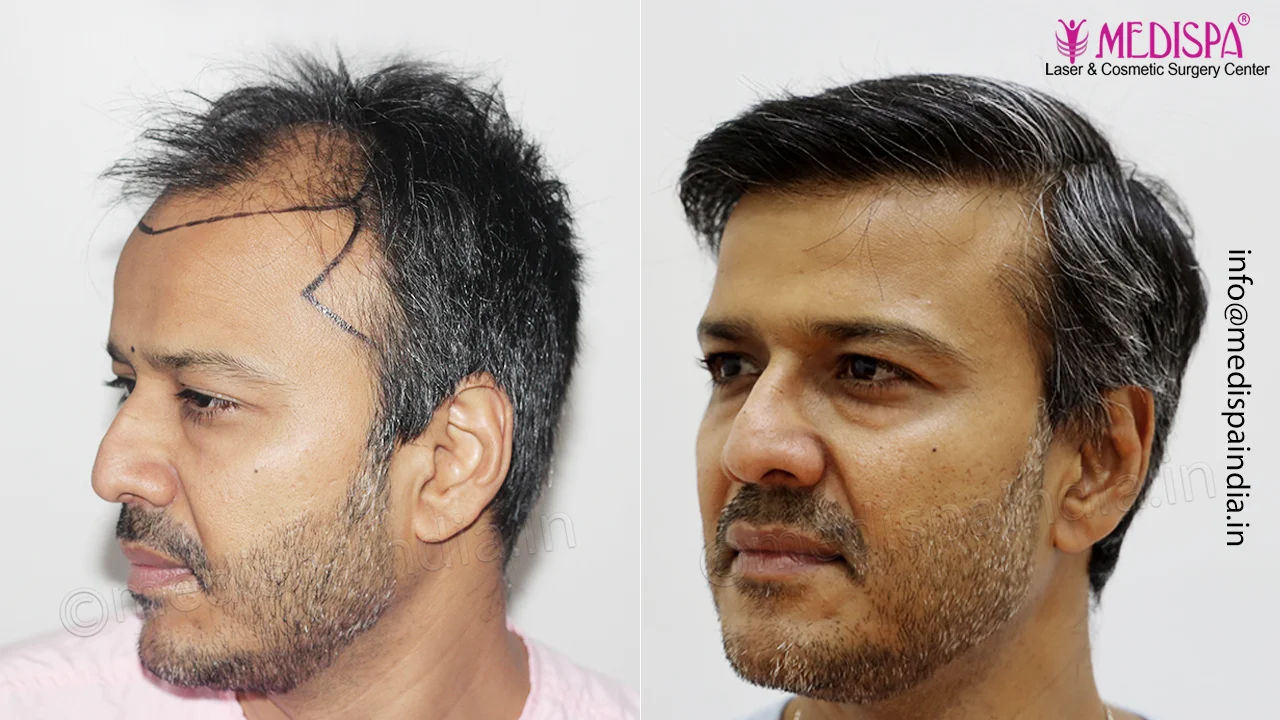
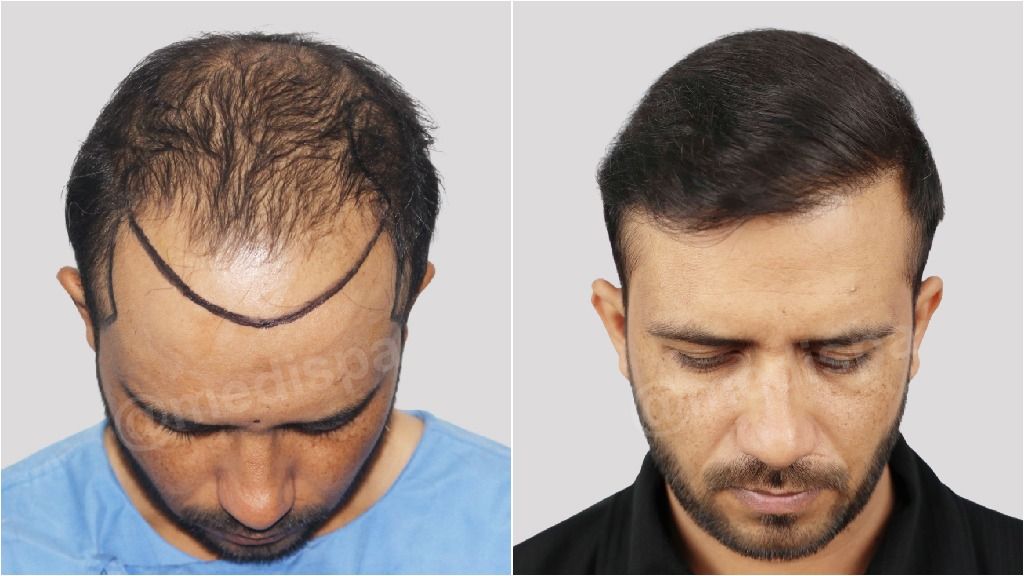
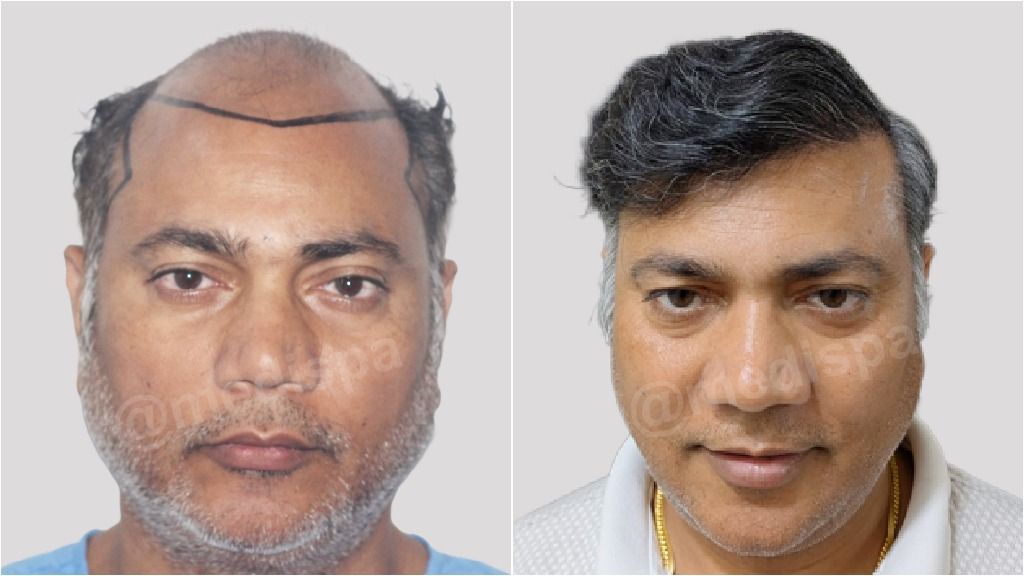
Fusion Graft Technique is an advanced hair transplantation method. In this, it uses the three techniques of FUT (Follicular Unit Transplantation), FUE (Follicular Unit Extraction), and Body Hair Transplant (BHT) in strategic combination. This is to ensure that the greatest number of grafts is available. This approach is not based on a single harvesting technique, but rather builds on the benefits of several harvesting techniques. This assists to guarantee more coverage. Dig down to know more about this technique.
The Fusion Graft Technique is a customized hair restoration treatment with the use of multiple donor sites for the extraction of the grafts by different methods in a coordinated manner. The surgeon can utilize other hairs as well as a donor;
These donor sources can be used together for the surgeon to receive a much larger amount of healthy grafts without putting too much stress on any particular donor site. This method is particularly useful for patients with large areas of hair loss who need to have their hair transplanted at a high density.
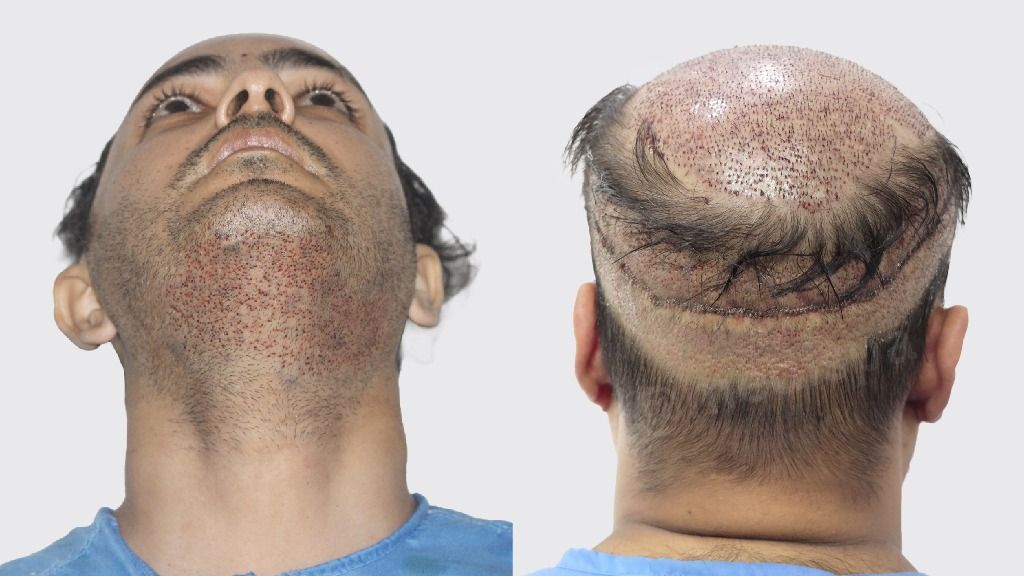
Fusion Graft Hair Transplant Technique
While traditional hair transplant techniques have revolutionized the hair restoration industry, there are some drawbacks to each method. For example:
A higher number of grafts, possibly as high as 4,000- 6,000, may be necessary for patients with advanced hair loss. A single technique may not always be sufficient to ensure a sufficient amount of grafts and ensure future graft stocks. To overcome these problems, The Fusion Graft Technique is developed to intelligently combine the multiple methods of harvesting in order to achieve greater coverage, but not over harvesting from any one donor area.
This technique might be suggested for people who:
No two patients are the same and thorough consultation and donor screening are crucial prior to planning the procedure.
The technique is carefully designed to maximize the availability of the graft and avoid patient risks and undesirable appearance.
The surgeon evaluates:
This evaluation aids in determining the number of grafts needed.
Several appropriate donor regions are identified, rather than relying on one donor region.
The following may be sources of potential donors include:
A thin strip of hair is taken from the back of the scalp that is considered a permanent area.
This allows for a great number of healthy follicular units to be harvested, without disturbing surrounding donor hair.
Any extra grafts are taken one at a time from the scalp with a special punch. This allows for more grafts to be produced without having a large impact on donor density.
The thickness of beard hair can be much thicker than scalp hair, and it offers excellent density especially in the middle area of the scalp and crown. Only carefully selected areas are used for maintaining the natural appearance of the beard.
In some patients where more grafts are required, chest hair can be used as an additional source.
Usually added to the scalp grafts and not in place of them.
Approximate Graft Distribution
While each patient’s needs are unique, a typical Fusion Graft session can include grafts from various donor sources including:
The number of hair transplants performed will vary based on donor availability, hair characteristics and the surgeon’s evaluation.
The greatest benefit of this technique is that several donor regions can be used for the grafts. These are selected from several sites rather than thousands of grafts from one site. This is good for a number of reasons:
More grafting possibilities when more procedures are needed in the future
Higher Graft Availability
A combination of various harvesting techniques allows for the harvesting of a much larger number of grafts than any other technique could achieve.
This is important for the patients with advanced alopecia. No additional procedures needed since the implants provide more coverage in one procedure.
Thousands of grafts are usually needed with large bald areas. The Fusion Graft Technique can be used to cover more of the scalp in one hair transplant session and can, in most instances, avoid the need for multiple surgeries.
Better Density
There are more choices of grafts, offering a surgeon the added advantage of strategically improving density, without compromising on the natural look. Depending on the treatment area, different types of hair may be used.
Natural Hairline Design
A fine line of hair often looks better and is less noticeable to create a natural and soft appearance to the hairline. Heavier beard hairs can be preserved for areas where it is desired. More realistic outcomes can be achieved with this selective graft placement.
Donor Areas are preserved.
Grafts are taken from multiple donors, so that there is no over-exploitation of any one donor region.
This assists in keeping the donors in reserve for future treatments when hair loss occurs.
Customized Treatment
Each Fusion Graft is unique to the individual and will be customized to their:
Advanced Technologies that Aid the Fusion Graft Technique
Today’s hair transplant surgery has come a long way, thanks to the numerous innovations in surgical technology. These advancements have contributed to better graft quality, less trauma and greater overall accuracy.
Precision Motorized Extraction Systems.
Follicular units can be harvested with greater accuracy by use of advanced motorized extraction devices. Other systems have several motion modes like:
These features reduce the trauma to adjacent tissues and promote the quality of the graft site when extracting teeth.
Implanter Pen Technology
Surgeons can use implanter pens to directly implant grafts into the recipient area with better control over:
This precision is a key element for achieving more natural-looking hair growth and can minimize handling of delicate hair-grafts during implantation.
| Feature | Single Technique | Fusion Graft Technique |
| Donor Source | One | Multiple |
| Graft Availability | Moderate | High |
| Coverage | Limited | Extensive |
| Suitable for Advanced Baldness | Sometimes | Often |
| Donor Preservation | Moderate | Better distribution |
| Customization | Moderate | Highly personalized |
Not necessarily. This method is best for those needing a lot of grafts. For those who have early hair loss and/or small bald patches, FUE or FUT can provide very good results alone. The final decision will be taken based on:
Please note that hair for beard and body is not available. Having a long-term plan in place for hair restoration. It’s important to have a comprehensive consultation with a qualified hair transplant surgeon to figure out the best way to proceed.
Recovery After the Procedure
Most patients will be able to expect:
Post procedure care is an essential part of recovery and guarantees best results.
Long-Term Results
Hair Transplantations are a process that takes time. Typically:
Since the follicles are taken from stable donor regions, they are assumed to grow in the new location, but some are not guaranteed to grow.
Why Experience Matters?
Fusion Graft Technique is a combination of various harvesting methods, donor area planning, graft selection and artistic implantations. Careful surgical planning, technical expertise and individual approach is necessary to achieve natural looking results.
An experienced surgeon does not only assess the hair loss at the time of the surgery, but he/she will account for future hair loss as well, using hair grafts strategically to maintain natural density and aesthetics of the hairline.
Conclusion
The Fusion Graft Technique is the latest advancement in hair restoration, which combines the best of FUT, FUE, and BHT into a single hair restoration solution. It enables surgeons to combine multiple donors and offers them a way to achieve optimal graft availability, better coverage, better donor preservation and a natural aesthetic that is individualized to the patient.
When done properly by an experienced hair transplant team, this custom solution could be a viable option for those with significant hair loss or limited amount of hair on the donor’s scalp. The best way to find out if the Fusion Graft Technique can produce the desired results is to have a detailed consultation.

Happy Patients

Years of Experience

Grafts Done

Cases of Grade 5/6/7

Google Ratings