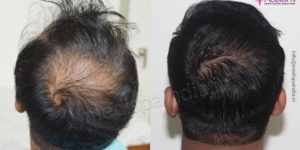
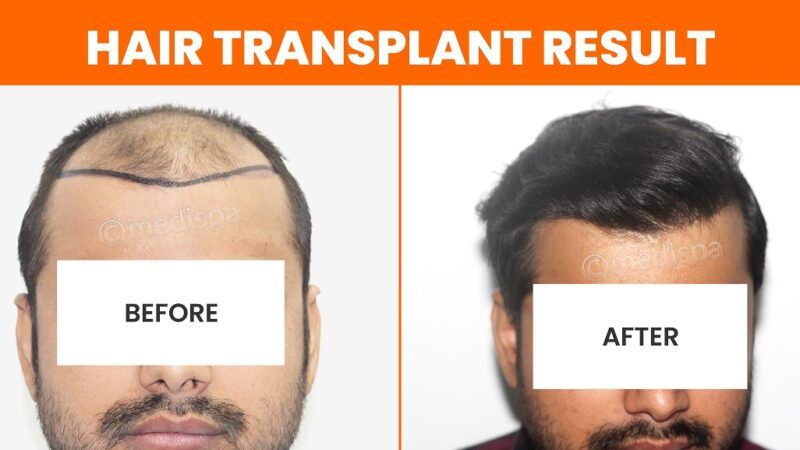
Loss of hair is no longer an issue with few remedies. Hair restoration is now more efficient, more personalized and more available than ever with the progress of medical science. You may be in the first phases of thinning or the third stage of baldness but to select the most effective treatment it is important to know what the full range of choices is and what is available.
Are you thinking about having a hair transplant in India? This guide will take you through the whole process; causes and treatment, and how to plan and care in the long term so that you can make an informed decision.
The Hair Loss: The Restoration Process
The first step in hair restoration is to know the cause of hair loss. Pattern baldness (androgenetic alopecia) is the most prevalent and is a genetically and hormonally-influenced condition. With age, the hair follicles become small and finally cease their production. The other contributing factors are:
- Stress and lifestyle practices.
- Nutritional deficiencies
- Hormonal imbalances
- Medical conditions
It is vital to determine the cause since it is clear whether non-surgical approaches will be effective or not and whether surgical restoration is required.
What Is Hair Restoration?
Hair restoration is a general term that encompasses both non-surgical and surgical remedies to enhance hair density, or to restore lost hair. It includes:
- Medications (Minoxidil, Finasteride)
- PRP (Platelet-Rich Plasma) treatment.
- Laser treatments
- Hair transplant (permanent solution)
Both of the methods have a different purpose and the appropriate one is determined by the stage of your hair loss.
When should you have a hair transplant?
A transplant is required in the cases when hair loss is irreversible and follicles are not active anymore. In these situations, medications or therapies are unable to grow hair. You can be an appropriate candidate when:
- You have bald areas on your head.
- Your hair is growing back.
- Hair loss is stabilized.
- You have a healthy donor area
Hair Transplant in India is also usually suggested in case of moderate to severe hair loss since it is long-term.
Types of Hair Transplant Techniques
It has a number of techniques each having its own benefits.
The most used technique is FUE (Follicular Unit Extraction) that is performed through single-follicle removal and with minimal scarring.
FUT (Follicular Unit Transplantation) is a procedure where the scalp is removed in a strip and it is applicable to large grafts.
Direct FUE enables the use of grafts to be placed exactly to achieve increased density and natural outcome.
The type of technique used is based on your condition and objectives.
Planning Your Hair Restoration Experience
An effective hair restoration procedure must be well planned. This includes:
- Selecting an appropriate clinic and surgeon.
- Knowing your hair loss pattern.
- Setting realistic expectations
- Preparing hair loss.
Comprehensive consultation can be used to develop an individual treatment plan.
Understanding the Cost of Hair Transplant in India
The hair transplant cost in India depends on a number of factors including:
- Number of grafts required
- Technique used
- Surgeon’s expertise
- Clinic infrastructure
On average, the cost ranges from ₹30,000 to ₹2,50,000 or more. India is a good destination due to the quality treatment and competitive prices.
Post Procedure Expectations
The outcomes of hair transplant are time consuming and have a natural process of growth.
The first healing takes place in a couple of days.
Hair transplants fall off in a few weeks.
Growth occurs again after 3-4 months.
Complete results can be observed in 9-12 months.
This stage requires patience and due care.
Importance of Post-Transplant Care
Aftercare is a key to the success of hair restoration. It is beneficial to take the guidance of your doctor to preserve grafts and guarantee good growth.
Key precautions include:
- Avoid touching or scratching the scalp
- Wash in the correct way.
- Avoid strenuous activities
- Keep clean and take medicine.
Care enhances outcomes and decreases complications.
Sustaining Long-term Results
Hair transplant replenishes the lost hair but does not prevent future loss of hair. It is also important to keep the existing hair. Doctors may recommend:
- Drugs to prevent additional damage.
- PRP to enhance growth.
- Healthy diet and lifestyle.
A combined approach ensures long-lasting results.
Psychological Hair Restoration Advantages
Restoration of hair is not merely a physical change, but it is an emotional one as well. Many individuals experience:
- Increased confidence
- Improved self-image
- Improved social and work relationships.
This renders it a life altering choice to various patients.
Final Thoughts
Hair restoration has become a holistic and efficient therapy to hair loss. Starting with early-stage treatment solutions and going to advanced surgical solutions, solutions are available to all the levels of hair loss. In case you intend to get a Hair Transplant in India, it would be best to know the process, cost, and long-term care so that you make a sure decision.
Although the cost of Hair Transplant in India can be different, the actual price will be to get the natural lasting results. Ultimately, it is not merely about hair restoration but confidence restoration and quality of life enhancement with a solution that works.