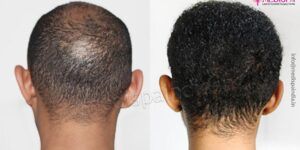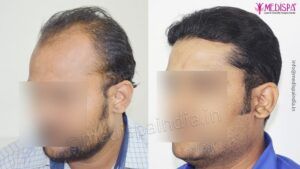
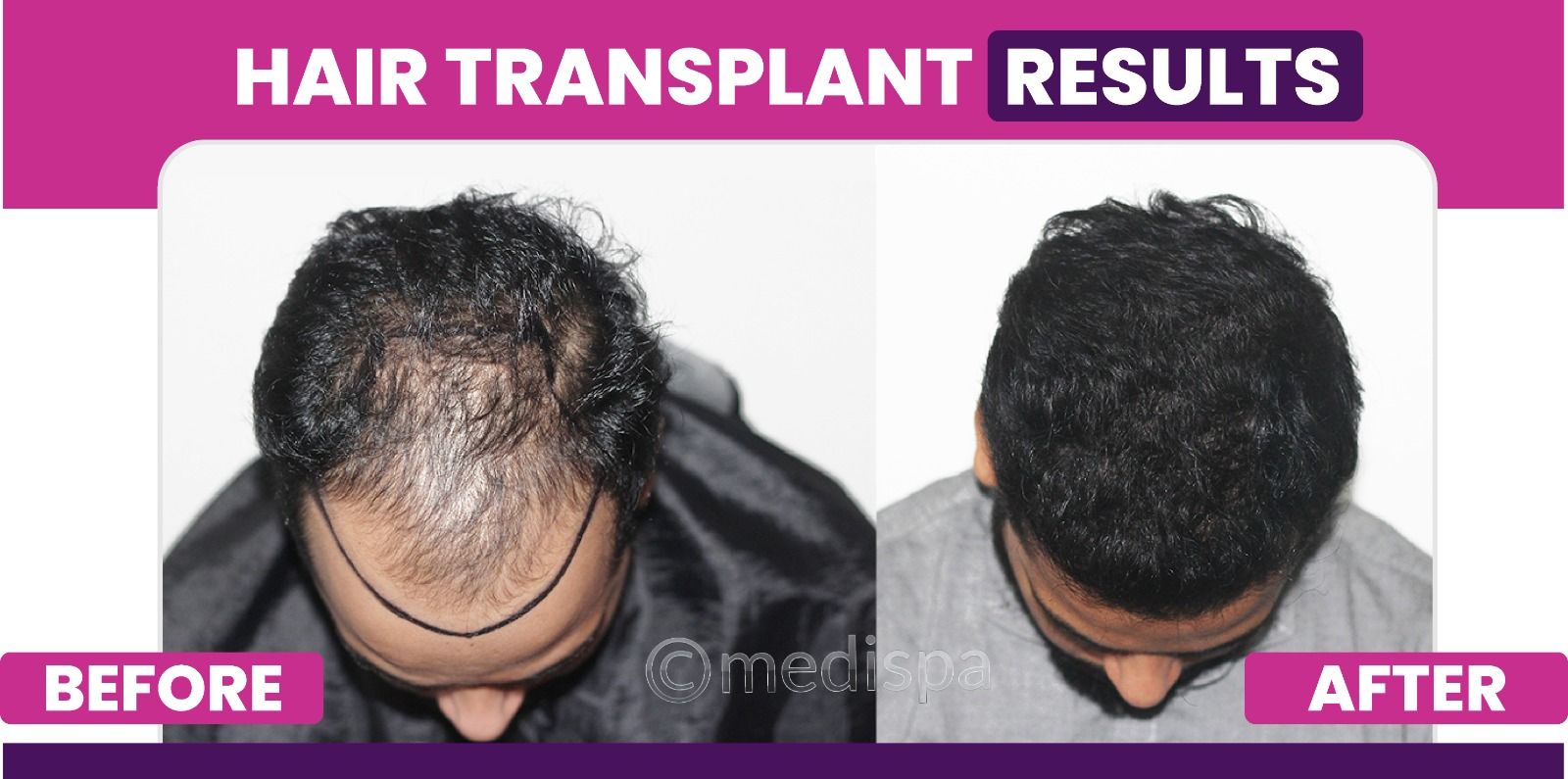
Hair loss is by far the most common concern these days, even though hair transplant surgery remains one of the best long-term solutions. During the consultation with a patient, one of the first questions asked is, “How many grafts will I need?” All these factors, when put together, determine the level of baldness required by the donor site for optimal results. Understanding this allows patients to establish realistic goals and plan their procedures more effectively.
What is a hair graft?
Before counting, knowing what a graft is is vital. A hair graft is a unit composed of one or more hair units that are usually taken from the back or sides of the scalp. On average, each graft would contain anywhere between 1 to 4 hairs. During a Hair Transplant in Delhi, these grafts are meticulously placed into bald and thinned-out areas to create a natural growth of hair. Such quality and survival of these grafts have a direct influence on the success or failure of the transplant.
Factors that Determine the Number of Grafts
The average number of grafts should be different for each individual. Here are the factors that are considered from a patient’s perspective:
- Baldness – With balding, even someone who has a receding frontal hairline would not require the same number of grafts as an individual with advanced baldness.
- Characteristics of Hair – Thick-haired and curly people need fewer grafts to give that fuller coverage than those with fine, straight hair.
- This kind of strong density and availability of hair in the donor region at the back of the scalp determines the number of grafts that can be safely harvested.
- Desired Hairline Design – While certain patients want a thick, youthful look, some might opt for a more conservative approach in terms of graft requirement.
- Technique Used – FUT or Follicular Unit Transplantation and FUE or Follicular Unit Extraction may differ slightly in graft yield and placement strategy.
Average Graft Requirements According to Baldness Level
There is an approximate idea of grafts required for varying stages of baldness among the dermatologists and transplant surgeons:
- Early Hairline Recursion (Norwood 2-3): 800-1500 grafts
- Moderate Baldness (Norwood 3-4): 1500-3000 grafts
- Advanced Baldness (Norwood 5-6): 3000-5000 grafts
- Very Severe Baldness Norwood 7: 5000 grafts+ (if allowed by the donor capacity)
For women, usually hair thinning occurs in a diffuse pattern and not in patches, so graft distribution and numbers are planned differently.
Need for Consultation in Compulsory
There is no universal answer to the number of grafts that would be favourable for a patient. The condition of the scalp, hair density, and long-term pattern of hair loss must be analysed by a skilled surgeon who can accurately estimate how many grafts may be required. Therefore, expert advice given at Medispa ensures that a patient wanting to go for a Hair Transplant in Delhi comes up with a treatment course that is tailor-made for the patient.
How Graft Count Affects Price
Of course, the number of grafts comes into play when it comes to the Hair Transplant cost in Delhi. Most clinics base their fees on the number of grafts planted. More grafts involve more surgical time, more resources, and thus an increased price. However, it should be noted that quality always comes before price. Bad results for low cost may ultimately mean additional corrective surgery costs, which could be much higher in the long run.
Patients should select a clinic that’s open about pricing and that gives naturally-looking, permanent results rather than a short-term, lowest-cost-per-graft focus.
Long Term Planning
Hair loss is a progressive condition. Patients may continue to lose untreated areas even after a successful transplant. Therefore, an accomplished surgeon plans not only for today but also for future sessions that may be required, reserving enough donor reserves for probable future sessions. Good planning guarantees results that last and look aesthetically balanced.
Conclusion
The need for hair grafts for a hair transplant is highly individualistic. It looks at the degree of baldness now, the strength in the donor area, and the type of look desired. A detailed assessment during a consultation will give the most accurate estimate of how many grafts are required. For anyone who seeks a hair transplant in Delhi, it is wise to consult a reputable clinic like Medispa to ensure they are safe and have the kind of treatment that gives them the natural density they aspire to.
Hair transplant cost in Delhi may differ depending on the number of grafts. Having said that, it is the guarantee for the best long-term result that should truly matter to an individual- an experienced surgeon and a trusted clinic. After all, a successful transplant does much more than restoring hair; it restores confidence.