Baldness, especially when it is at Grade 6, can be an upsetting experience and usually happens because of heredity. The condition is referred to as male or female pattern baldness which is significantly caused by how the body reacts to androgens. It causes almost 50% of men and women worldwide to develop thinning or full baldness of terminal hair after puberty.
In men, the baldness usually starts at the front-temporal region and the crown region, whereas in women, it is more localized on the crown of the head. Once the baldness reaches Norwood stage 6 on the scale, it means well-advanced balding. For everyone experiencing this amount of hair loss, it is imperative to move quickly and not delay. The correct treatment by the best hair transplant surgeon in India will restore your hair and your confidence, and in this blog, we will discuss the optimal methods to handle that high stage of hair loss.
Understanding the Norwood Scale: Male Pattern Baldness Stages
The Norwood scale, or more officially the Hamilton-Norwood scale, is the most commonly employed system for measuring male pattern baldness. The system describes hair loss in men by following the usual patterns of thinning and receding with time. The Norwood scale assists both physicians and hair transplant surgeons in identifying precisely which stage of balding and offers a definitive framework for diagnosis. Although there are other classification systems for conditions such as female pattern baldness, the Norwood scale is still the most reliable to be used in men. Understanding your stage helps make it easier to recognize the most advantageous hair transplant in India and track progress.
Stage 6 Hair Loss: What Is It?
Stage 6 hair loss is an advanced phase of baldness where there is widespread thinning and falling of hair. At this stage, the crown is usually completely bald, and the retreating hairline becomes even more visible. You can easily notice that the scalp and the density of the hair have greatly eroded. It is a typical outcome of male pattern hair fall, which comes at the age of 50.
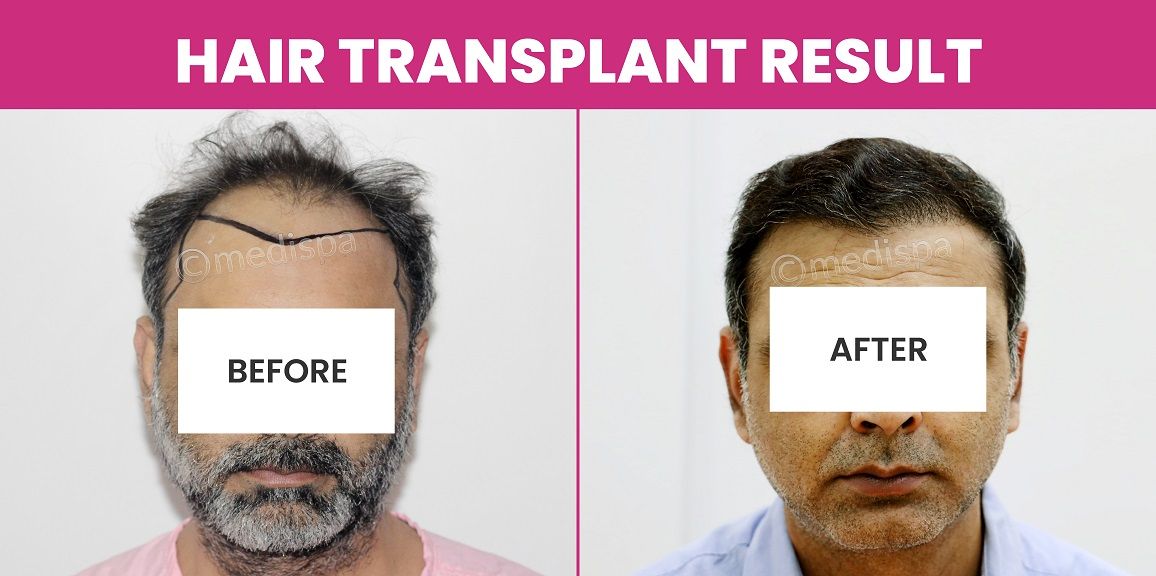
In this phase, you will witness the complete loss of hair at the front and a huge patch of baldness, but there will be some remaining hair on the sides of your head. If you have reached this phase, then it is the right time to opt for a hair transplant in India. But first, it is essential to determine the donor hair availability.
What are the reasons for Stage 6 Hair Loss?
Stage 6 hair loss is most typically associated with androgenetic alopecia, which is an inherited condition that causes progressive hair thinning. There may be other factors, however, that hasten the development to this severe stage.
Hormonal Imbalances – It is a predominant cause. Conditions such as polycystic ovary syndrome (PCOS) or thyroid disorders can affect hormone levels which causing massive hair loss in men and women. Most people with these imbalances do end up at Stage 6.
Health Conditions – Autoimmune diseases such as alopecia areata and lupus can also be a major factor in stage 6 in hair loss, and drugs such as chemotherapy can dramatically affect hair condition. If left untreated, these conditions can result in the total baldness depicted in Stage 6.
Nutritional Deficiencies – An improper diet devoid of necessary nutrients like zinc, iron, and biotin can slow down hair growth and increase the risk of excessive hair loss. Proper nutrition is important in order to keep your hair healthy.
Finally, stress also has some factors affecting your hair. Ongoing mental stress can lead to hair loss, so it is essential to cope with stress and see a healthcare professional if needed, particularly if drugs are creating side effects such as hair loss.
Norwood Stage 6 vs. Stage 7 Difference
Stage 6 is the indicator of extreme thinning of the hair in which the crown is almost hairless, but there is some hair on the mid-scalp. There might be some remaining thin hair left, but the thinning is significant overall.
Stage 7 is the most severe type of hair loss. Only a few strands of hair are left on the sides and back of the head, with the whole top region being devoid of any hair. Stage 7 is the last stage of balding, which is a major difference from Stage 6.
Treatment Solutions for Men at Stage 6 of Baldness
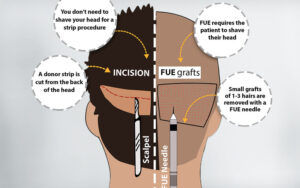
When it comes to Stage 6 hair loss, FUE (Follicular Unit Extraction) is the best solution. However, before that, diagnose the underlying cause of hair loss and see how severe your case is. Customize the treatment for your specific requirements, and the best hair transplant surgeon in India, together, can bring the solution.
Minoxidil, a nonprescription topical medication, is commonly used to retard hair loss and initiate new growth. It is believed to slow hair loss by increasing blood flow to the scalp and enhancing hair follicle strength. Finasteride, a prescription drug that contains the DHT (dihydrotestosterone), a hormone that causes hair thinning in males, could help improve or maintain hair density.
For customized treatment and expert guidance, you can visit Medispa, where the latest Stage 6 hair loss remedies are offered.