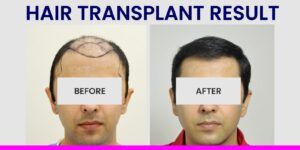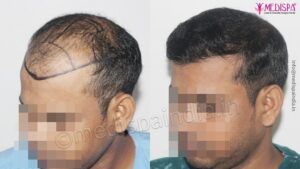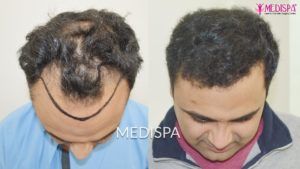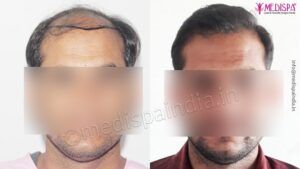
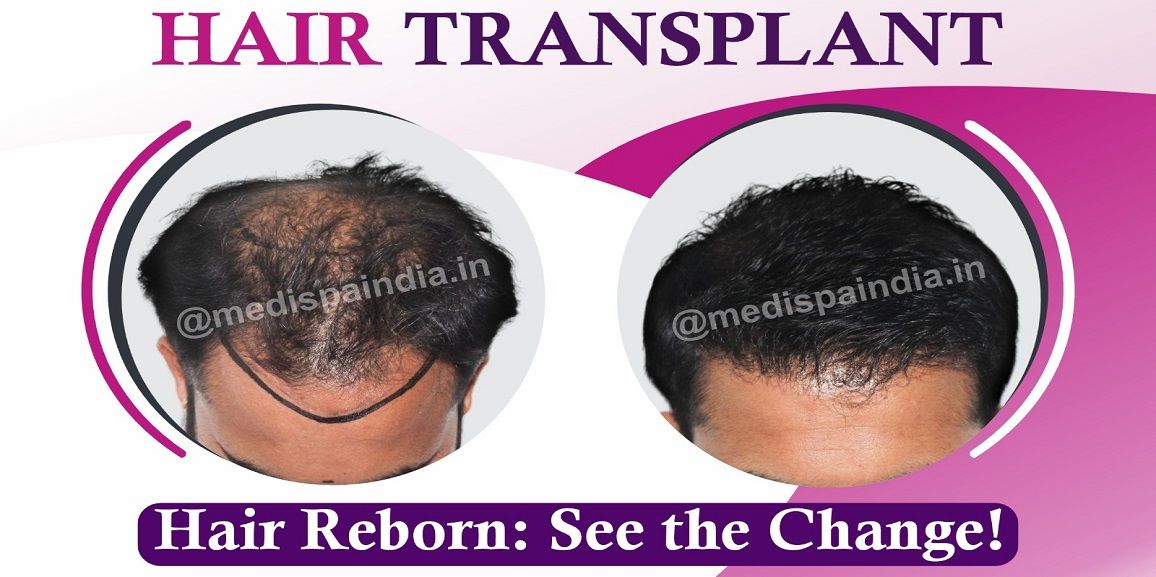
Hair thinning is an issue that impacts millions of individuals worldwide. Unless you deal with it in the early stages, it could advance to visible baldness and even bald spots. However, the problem is not just physical, it results in a low level of self-esteem, emotional tension, and loss of confidence. Fortunately medical science has presented some solutions to this issue, one of the most discussed among them being hair transplant in Delhi.
Hair transplant procedures have been increasingly popular over the years as a sure shot and long term solution for regrowing natural hair. Numerous people today opt for this method as a permanent solution to hair loss and baldness. Though its effects are mostly promising, the question still arises, is hair transplant the most accurate hair loss solution? Let’s learn more about what makes this option so special, and whether it suits everyone.
Do Hair Transplants Work?
Hair transplants have become a very popular method of re-growing hair and sometimes more successful than most known organic products. However, similar to most medical treatments, the success with a hair transplant is based on a variety of factors.
- Research indicates that between 10% and 80% of the transplanted hair can regrow completely in only 3 to 4 months. This new growth differs from individual to individual based on their hair type, scalp health, and the method is used.
- You should remember that transplanted hair also undergoes natural aging. The hair will thin with time just like your regular hairs would. Also, individuals with inactive or dormant hair follicles, where the hair root no longer functions, will not experience the same degree of success.
- But when used in conjunction with state-of-the-art treatments such as Platelet-Rich Plasma (PRP) therapy, hair transplants have shown promising results.
It is not a miracle solution, hair transplants can provide you genuine results. It is all about, selecting the best method and understanding the hair transplant cost in Delhi.
Who is Not a Suitable Candidate?
Hair transplants have restored fuller hair for many person, but it is not for everyone. This procedure will best benefit individuals who have been suffering from natural balding or thinning hair, or those who have lost hair as a result of trauma. Because the procedure normally draws on your own current hair, it depends on there being sufficient healthy donor hair to draw upon.
Hair transplants is not for individuals who have –
- Extensive thinning or total baldness, with too few donor hairs remaining for transplant.
- Hair thinning because of some medical treatments.
- Thick scars on the scalp due to burns or trauma, which can restrict the success of transplanted hair growth.
In such situations, other modalities such as PRP therapy or medical treatment might be more suitable. A hair restoration expert’s proper assessment is required prior to choosing the correct option.
How Does a Hair Transplant in Delhi Work?
A hair transplant is a surgical process that involves transferring healthy hair from one location on your body, typically the back or sides of your scalp, to a section where your hair is thinning or missing. The donor areas were selected because the hair in those areas is usually more resilient to baldness.
Before proceeding with the procedure, the surgeon sanitizes and sterilizes the donor site and administers a local anesthetic to numb the area. In other instances, patients may also opt for sedation to enhance comfort during the procedure.
Two primary techniques are used –
Follicular Unit Transplantation (FUT): This entails removing a scalp strip and dissecting it into individual grafts.
Follicular Unit Extraction (FUE): Consists of taking individual hair follicles straight from the scalp with small punches.
FUE tends to be less traumatic and results in less scarring, and it is more popular. Newer forms and techniques still appear which offer enhanced accuracy and more rapid recovery times. There are also experimental procedures under research, which have promise but are not yet approved by regulatory bodies.
Both techniques have their advantages and disadvantages, and your surgeon will suggest the most appropriate course of action and the hair transplant cost in Delhi.
Important Aftercare Instructions
Caring for your scalp after a hair transplant is as crucial as the procedure itself. Proper care promotes successful healing and enhances the prospects of healthy hair growth. The following are some of the most important guidelines to abide by in the days and weeks following surgery:
- Do not engage in strenuous physical activity during the first few days to avoid sweating and straining of the scalp.
- Wait for a couple of days after the procedure before showering your hair, and when you do shower, then use only mild, sulfate-free shampoos.
- Treat your scalp gently, do not rub, scratch, or press against the transplanted region.
- Avoid combing or brushing the new grafts for approximately three weeks to prevent dislodging them.
- You should not wear caps or some kind of head cover until your doctor advises.
- Avoid exercising for approximately a week, as friction and sweat can impair healing.
- You may resume work or usual activities within 2–3 days, depending on your healing and the nature of your work.
By adopting these aftercare measures can greatly enhance your transplant results and have an easier recovery process. Always comply with your surgeon’s personal advice for maximum benefit.